


CONFERENCE AGENDA
Day Two - March 31, 2026
Continental Breakfast
Chairperson's Opening Remarks

Andreas Jeromin, Ph.D., Chief Scientific Officer, Atlantic Biomarkers
Advancing Therapeutics and Clinical Targets for TBI - Track Chair's Opening Remarks
An Update on the Therapeutic Pipeline for Traumatic Brain Injury Neuroprotection

Ramon Diaz-Arrastia, MD, Ph.D. , John McCrea Dickson M.D. Presidential Professor, Department of Neurology, University of Pennsylvania
Journey of Discovery: A Promising Safe Drug for the Treatment of Neuroinflammation
Kim Heidenreich, Ph.D., Co-Founder and Manager, Bioscience Pharma, Professor Emeritus, Dept. of Pharmacology, University of Colorado School of Medicine
Perlecan LG3: A First-in-class, Pleiotropic Neurotherapeutic Laminin G-like Globular Domain for the Treatment of Traumatic Brain Injury
Stream Biomedical is developing the first recombinant biologic therapy designed to protect and restore the brain after traumatic brain injury. This pleotropic agent, endogenously derived from focal proteolysis of basement membrane perlecan in response to neurotrauma, has been shown preclinically to restore NVU homeostasis through repair of the blood-brain barrier (BBB) where it reduces secondary tissue injury and neuroinflammation leading to neurodegeneration. Preclinical studies further show the agent actively crosses the BBB and targets upregulated integrin receptors to restore pericyte coverage and the efflux of misfolded proteins implicated in neurodegenerative pathologies. Collectively, these data suggest that perlecan LG3 may provide a broad-acting therapeutic agent for the treatment of acute and chronic neuropathologies.

Bryan Clossen, Ph.D., Director of Translational Programs, Stream Biomed
Biomarker-guided Brain Stimulation for the Treatment of Memory Loss
Memory loss is a persistent disability following traumatic brain injury (TBI), with few effective treatments. To address this need, we developed a biomarker-guided, closed-loop neurostimulation platform that restores memory function by detecting and correcting dysfunctional brain states in real time. We first established proof of concept in patients undergoing invasive monitoring for epilepsy surgery. Using intracranial EEG recorded during memory tasks, we trained machine-learning classifiers to predict momentary lapses in memory encoding. We embedded these classifiers in a closed-loop system that triggered stimulation during predicted low-memory states in sham-controlled, double-blind experiments. In 47 neurosurgical patients, stimulation delivered near lateral temporal white-matter tracts reliably improved memory performance and enhanced neural biomarkers of successful encoding. To enable chronic clinical use in TBI patients, we developed a fully implantable, wireless, 60-channel system capable of simultaneous multichannel recording, onboard feature extraction, real-time classification, and programmable closed-loop stimulation. In a freely moving ovine model, we demonstrated stable long-term recordings, accurate neural decoding, and parameter-dependent modulation of neural activity in closed-loop operation. Together, these results establish a scalable device platform for biomarker-guided neuromodulation and support its translation as a therapy for memory loss due to TBI.
Michael Kahana, Ph.D., Edmund and Louise Kahn Term Professor of Psychology, University of Pennsylvania
Track Follow Up Discussion & Question/Answer Session
From Discovery to Deployment: Biomarkers in TBI - Track Chair's Opening Remarks
Ava Puccio, RN, Ph.D., Associate Professor, Co-Director, Neurotrauma Clinical Trials Center, School of Medicine, University of Pittsburgh
Blood, Sweat and Tears: Examining Injury Biomarkers Across Matrices in Concussion
Sweat is a potential strategy for non-invasive biomarker collection. Our group is interested in the development and validation of sweat as a biomarker biofluid across the spectrum of traumatic brain injury (TBI). This presentation will feature two distinct cohorts: 1) Division III NCAA collegiate athletes involved in a contact sport; and 2) Acute emergency room evaluated concussive patients presenting with isolated TBI. Our data demonstrates hallmark TBI proteins (tau, neurofilament light, GFAP and ubiquitin carboxyl-terminal hydrolase L1) are detectable in sweat and show potential as a valuable tool for detection of single or repetitive injury exposure.
Sarah Svirsky, Ph.D., Postdoctoral Scholar, Safar Center for Resuscitation Research, University of Pittsburgh
Refreshment Break/Exhibit Viewing/Poster Session
Emerging Data from a Multi-Site Implementation Science Project to use the Abbott iSTAT Alinity Whole Blood TBI Test in U.S. Emergency Departments
In this talk, Dr. Eagle will describe implementation science and how they leveraged its principles to establish the infrastructure to use the iSTAT Alinity Whole Blood TBI test in Emergency Departments at level 1 trauma centers in Pittsburgh, San Francisco, and Rochester (New York). He will present emerging data from our “Emergency Department Implementation (ED-I)” trial on performance of the test but also barriers and facilitators to its implementation and how those vary based upon patient population and need.
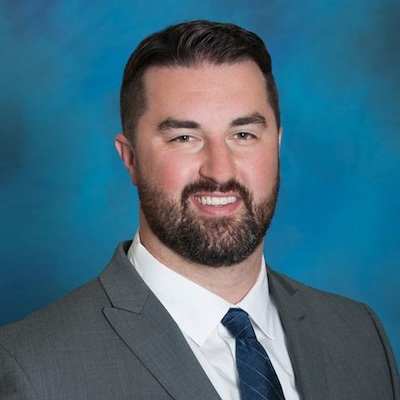
Shawn Eagle, Ph.D., Assistant Professor, Department of Neurological Surgery, School of Medicine, University of Pittsburgh
Analytical Validation to Promote Clinical Implementation of TBI Biomarkers: Updates from the INFORM Initiative
Ava Puccio, RN, Ph.D., Associate Professor, Co-Director, Neurotrauma Clinical Trials Center, School of Medicine, University of Pittsburgh
Track Follow Up Discussion & Question/Answer Session
Emerging Science in Blast and Military-Associated TBI -Track Chair's Opening Remarks

Michael Roy, MD, MPH , Deputy Director, Military Traumatic Brain Injury Initiative, Professor of Medicine, Uniformed Services University
The Invisible Injury: Repetitive Blast Exposure and Long-term Health Outcomes in High-Risk Veterans
This study investigates Military Occupational Blast and Impulse Exposure (MOBE)—a construct encompassing both high-level acute blast injury (HLB) and more common, repetitive, sub-concussive low-level blast (LLB) exposure from routine military operations like firing heavy weapons. Analyzing a cohort of 2.5 million service members, researchers found that 22% held high-risk MOBE jobs, where the prevalence of TBI was higher compared those serving in low-risk roles (38% vs. 20%). This analysis demonstrated that while both TBI and high-risk MOBE service were associated with increased mortality, their risks diverged: TBI was more strongly linked to all-cause mortality, substance abuse deaths, and accidents, whereas high-risk MOBE status showed a stronger association with death by suicide, violence, and cardiovascular disease. These findings emphasize that MOBE, independent of a documented TBI, is a critical, cumulative risk factor that must be included in future clinical and research assessments to fully address the long-term health and well-being of Veterans.

Mary Jo Pugh, Ph.D. , Professor, Department of Medicine, University of Utah
Therapeutic Potential of Mitochondrial-Targeted Interventions to Improve Outcomes after Blast-Induced Traumatic Brain Injury
Mitochondrial dysfunction is a central and persistent feature of traumatic brain injury (TBI), particularly following blast exposure common in military settings. Impaired mitochondrial function disrupts neuronal energy metabolism and contributes to long-term neurological deficits. This talk will highlight emerging therapeutic strategies aimed at restoring mitochondrial health after blast-induced TBI. Specifically, recent preclinical data will be presented on a mild mitochondrial uncoupling prodrug and PDE5 inhibitor, which can stimulate mitochondrial biogenesis. Findings from experimental models suggest that targeting mitochondrial function with these approaches can improve neurological performance after injury. These results support mitochondrial therapeutics as a promising strategy to improve outcomes following military-relevant TBI.
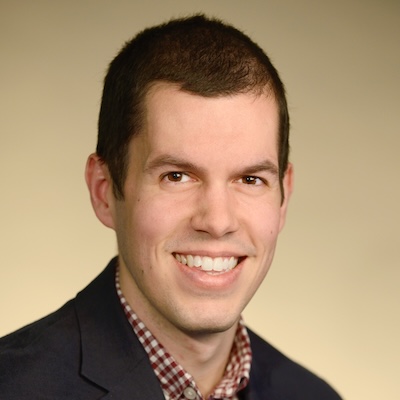
W. Brad Hubbard, Ph.D. , Assistant Professor, Spinal Cord & Brain Injury Research Center, University of Kentucky
Enhancing the Evidence Base on the Brain Effects of Blast: Results from the INVICTA, BLAST EMFASIS and BOATS Studies
Understanding how blast exposure affects the brain remains a critical challenge in military and civilian traumatic brain injury research. This presentation will highlight findings from three major studies—INVICTA, BLAST EMFASIS, and BOATS, designed to better characterize the effect that blast has in several different settings: heavy weapons training, bomb disposal, and speedboat weapons training. The studies include measures of reaction time, short term memory, pupillometry, and biomarker levels, and BLAST EMFASIS in particular assesses whether blast effects the brains of male and female service members differently.
Michael Roy, MD, MPH , Deputy Director, Military Traumatic Brain Injury Initiative, Professor of Medicine, Uniformed Services University
Track Follow Up Discussion & Question/Answer Session
Ph.D.
Luncheon
Emerging Research in Pediatric Traumatic Brain Injury - Track Chair's Opening Remarks
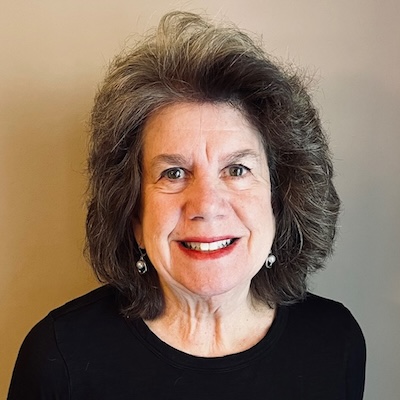
Juliet Haarbauer-Krupa, Ph.D., FACRM , Researcher and Adjunct Faculty, Department of Pediatrics , Emory University School of Medicine
Cardiac Dysfunction in Pediatric TBI Patients: Should We Be Checking?
Currently there are no FDA-approved therapies to improve survival or neurologic outcomes following severe TBI. One of the bedrocks of acute medical management following severe TBI is preservation of adequate cerebral perfusion pressure to prevent secondary injury. Under recognition of cardiac dysfunction can lead to drops in mean arterial blood pressure and delays in optimizing cerebral perfusion pressure. Cardiac injury is a well-documented complication of severe brain injury in adults from causes including stroke, subarachnoid hemorrhage and epilepsy. Recent literature in adult patients has indicated an association between echocardiographic evidence of cardiac dysfunction and TBI with prevalence of cardiac dysfunction inversely correlated with Glasgow Coma Scale score. In this talk I will discuss data from our retrospective study investigating prevalence of cardiac dysfunction in pediatric patients who presented to the intensive care unit at our quaternary children’s hospital and describe next steps in this area of research.

Vanessa Mazandi, MD , Assistant Professor, Anesthesiology and Critical Care Medicine , Children's Hospital of Philadelphia
Updates in Pediatric and Adolescent Concussion Management
In this presentation Dr. Gray will cover the following:
- Update on evaluation and management of pediatric and adolescent concussion
- Updates on office evaluation for autonomic dysfunction
- Physical exam findings in Vision and Vestibular dysfunction
- Rehabilitation techniques for autonomic, visual and vestibular dysfunction

Matthew Grady, MD, Professor of Clinical Pediatrics, University of Pennsylvania Perelman School of Medicine
Understanding Pediatric Traumatic Brain Injury across the Childhood Lifespan
TBIs are a leading cause of morbidity and mortality in children. Behavioral, cognitive, medical, and pain-related sequelae across the lifespan after TBI can persist. Although long-term studies of children are limited, emerging research demonstrates that TBI effects can persist throughout childhood and span into adulthood. The presentation will present research about childhood TBI across the age span including young children, school aged children and young adults. Imp0locations for taking care of children and future research will be described. I have been in the field of TBI for over 40 year and recently received the Moody Rehab Award for my research in pediatric TBI.
Juliet Haarbauer-Krupa, Ph.D., FACRM , Researcher and Adjunct Faculty, Department of Pediatrics , Emory University School of Medicine
Track Follow Up Discussion & Question/Answer Session
